Direct answer
Painting a factory coating as if it were bare metal can damage the finish. Name the metal and the existing coating first. A scratch note from one manufacturer is only a local repair, and thickness, cure time, and price stay blank.
Key takeaways
- Name the metal and the existing finish from the documents before any paint.
- Leave thickness, cure time, and price empty when the document does not state them.
- A scratch repair on factory-painted steel is not a full-wall coat.
- Keep each paint note inside the metal and the old coating that document describes.
Painting a factory coating as if it were bare metal can damage the finish. Name the metal and the existing coating before you wash, touch up, repaint, or replace a panel.
This page sorts those four routes and gives you a sheet to copy for the coating maker. It sits with the design specification guides, inside the metal wall coverings library. The wash itself is on the cleaning metal wall panels page. The walk that records the face is on the metal wall panel maintenance checklist.
How to paint metal siding starts with the metal and the coating already on the wall. AEP Span Technical Bulletin #10 (©2025) limits touch-up on its factory-painted steel roofing and wall panels to scratches and very minor damage, noting that air-dry paint weathers faster than the oven-baked film. The Sherwin-Williams exterior FAQ addresses a galvanized surface and a 35-year aluminum house that had already been painted once. Benjamin Moore’s metal-painting guide separates ferrous metal from non-ferrous metal before primer selection. Klauer’s steel-siding maintenance guidance notes that painting over the original factory finish can compromise it. Coating thickness, cure time, and price stay blank on every row until supplied by the coating manufacturer.
Name the metal and the existing finish
Benjamin Moore’s guide “How to Paint Metal in 6 Easy Steps” starts by separating ferrous metal from non-ferrous metal. Ferrous, on that page, means steel, cast iron, and wrought iron: metals that contain iron, are magnetic, and can rust. Non-ferrous, on that page, includes aluminum, copper, stainless steel, and zinc. The same page says galvanized metal is steel with a thin coat of zinc, and that you treat galvanized metal as non-ferrous when painting.
The metal panel finishes page is where a specification names a finish class, such as PVDF, powder, anodizing, or a living patina. Read the finish from the project documents or from the panel manufacturer. A color name is not a coating system.
Takeaway: If the documents do not name the metal or the finish, leave both cells empty.
Sort a wash, a local repair, a full repaint, or a replacement
On a phone, swipe the table horizontally to see the last columns. Coating thickness, cure time, and price stay blank on every row.
| What you can name or see | Route | What the opened document says | Coating thickness | Cure time | Price |
|---|---|---|---|---|---|
| Dry dirt on Klauer steel siding, with the finish still in place. | Wash that siding. Do not start a repaint from dirt alone. | The page says dry surface dirt is not harmful to that siding if it is washed off when noticed. The wash record is on the cleaning page. | |||
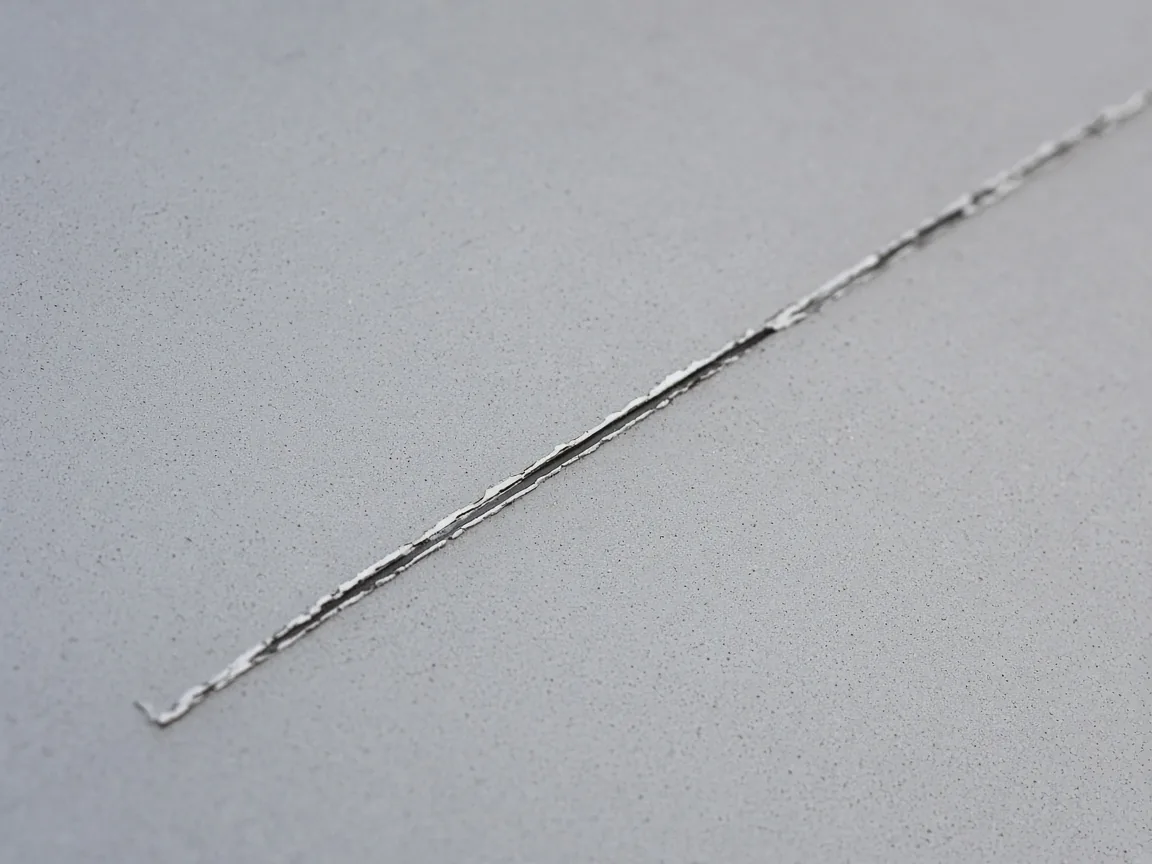
| A scratch or very minor damage on AEP Span factory-painted steel roofing or wall panels, with paint gone only in that spot. Bulletin #10, ©2025. | Local touch-up, used sparingly, only where the factory paint is gone. | Air-dry paint fades and chalks much faster than the oven-baked film. A scratch that is not obvious from 6 to 9 feet will likely be hidden by ordinary soiling and weathering. Use a paint pen or a 1/4-inch artist brush, and only the narrow edge of the brush. | |||
| A deep scratch through the paint and the protective metal layer, with raw steel showing, on those AEP panels. | Local repair after a zinc-rich or similar primer. Still a scratch repair. | Feather the edges with #400 grit sandpaper. If feathering and priming are not needed, wipe the spot with mineral spirits to remove dirt, wax, or other contaminants. | |||
| A large scratch on Klauer steel siding, panel still in place. | Prime and paint that scratch before rust. Use gloss paint to match the rest of that siding. | The page names no primer and no paint brand. It says a deep scratch could risk rusting. | |||
| Major damage on Klauer steel siding, with bare steel exposed. | Replacement of the affected panels is the likely advice on that page. | The page tells the reader to call a siding professional. It says that person will probably advise replacement when bare steel is exposed. | |||
| A galvanized surface, in the Sherwin-Williams exterior FAQ. | Follow that answer only for a galvanized surface. It does not approve a coat over an oven-baked factory film. | After six months of weathering, or after a chemical cleaning that removes oil or remnants of the galvanizing process: two coats of acrylic latex directly, or a special galvanized metal primer with an alkyd or latex topcoat. Do not apply an alkyd directly to galvanized metal. The oils react with the zinc and the alkyd peels. The primer product is not named. | |||
| A 35-year house with aluminum siding painted once by a previous owner, now peeling, in that same FAQ. Wood soffits and aluminum gutters are in the question. | Keep the answer inside that house. | Pressure-wash the home. Have a Sherwin-Williams store look at the peel. Primer is usually for a bare substrate. If the soffits and gutters are not peeling, the answer says they should not need primer. Sand glossy areas. Replace cracked caulk with acrylic latex caulk. The answer names Duration Exterior Coating, in flat, satin, or gloss. Spray is fastest if you have the equipment. Rolling is called difficult on the aluminum siding. Brushing is called acceptable and time consuming. No pressure number is stated. | |||
| The documents do not name the existing finish. | Stop. Copy the sheet and give it to the coating maker. | None of the four documents is a full-wall coat for an unnamed finish. |
Takeaway: Keep each route inside the document that wrote it. A scratch repair does not become a full-wall coat.
What kind of paint can you use on metal siding?
No paint in these four documents is named for every metal siding.
AEP Span Technical Bulletin #10 says the touch-up types for its painted roofing and wall panels are air-dry PVDF or acrylic silicone. Acrylic silicone, it says, is sold at local paint stores. The bulletin prints two web addresses for air-dry PVDF. It says to follow that manufacturer’s instructions on skin or eye contact, ventilation, and flammability. It does not recommend aerosol or spray for a blemish or scratch.
The galvanized answer above is two coats of acrylic latex, or a special galvanized metal primer plus an alkyd or latex topcoat. The aluminum-house answer names Duration Exterior Coating for that house. Klauer names gloss paint and no brand. Benjamin Moore’s page names its own primer and paint codes for ferrous and non-ferrous metal. Those codes are not copied here.
Takeaway: Where the document names no product, leave the product cell empty.
Can you paint over old paint on metal?
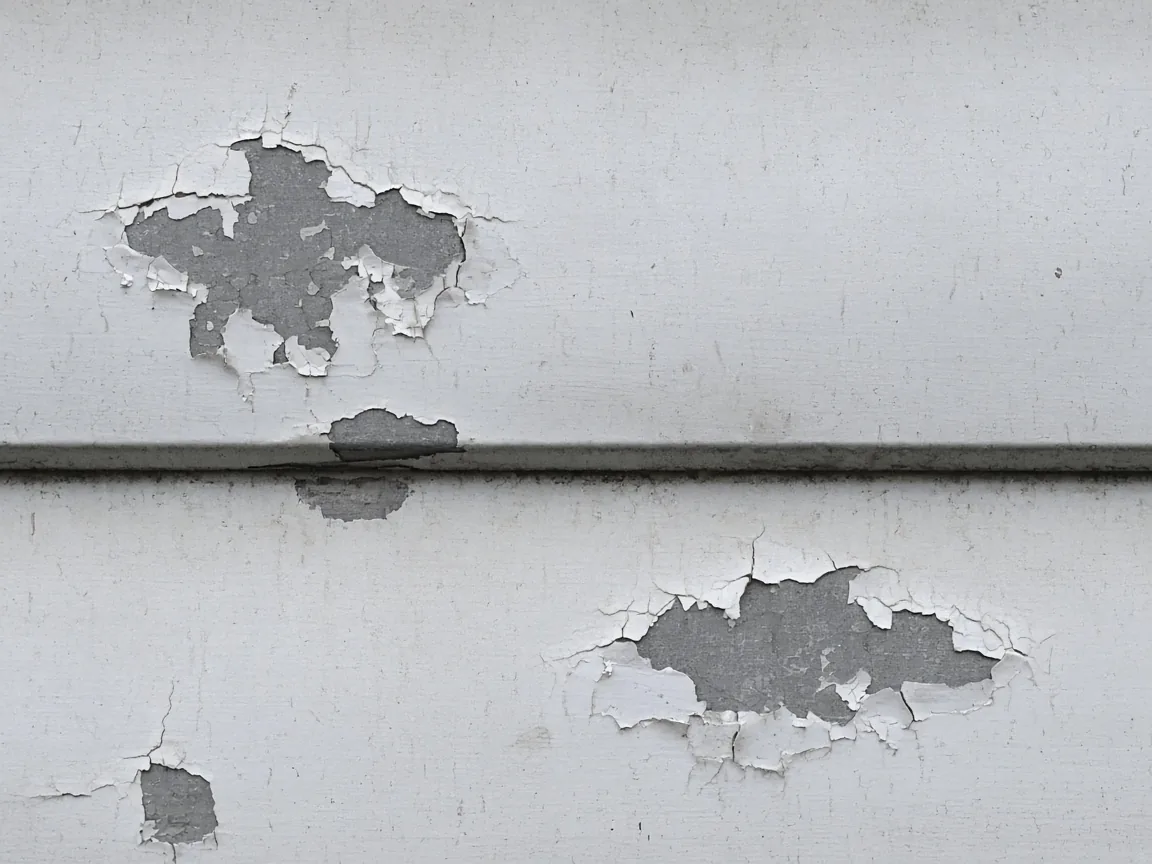
You can when a document describes that old coating. AEP’s bulletin says the color and gloss retention of factory-painted steel comes from the oven-baked process. Air-dried touch-up fades and chalks much faster, and too much of it looks blotchy. Paint only the spots where the factory paint is gone.
Klauer says painting over the original finish on its steel siding can compromise that finish. A large scratch still gets primer and paint, in the row above. Bare steel on a badly damaged panel is the replacement case.
The Sherwin-Williams old-paint answer is the 35-year aluminum house in the table. Do not move the pressure wash or Duration Exterior onto a factory-baked wall, or onto Klauer steel.
Takeaway: An unnamed factory film stops at the sheet. Do not choose a paint for it from a neighboring row.
Copy this existing-finish sheet
Select the block and copy it. Add a row when the wall has a second finish. Leave a cell empty when the document in your hand does not fill it. Coating thickness, cure time, and price stay blank on every row.
METAL SIDING EXISTING-FINISH SHEET

Building:
Elevation or area:
Date:
Documents in hand (title and date):
Metal named in those documents:
Existing finish named in those documents:

What you see | Route from the table | Document you are using | Coating thickness | Cure time | Price | Question for the coating maker
1 | | | | | | |
2 | | | | | | |
Takeaway: Copy the sheet with the empty cells still empty, and give that copy to the coating maker for this wall.
When this page does not apply
Follow the current instructions for your own panels when they disagree with this page. AEP says the bulletin was correct at publication and can change, and it tells the reader to check AEP’s website for the latest version. Benjamin Moore says to read the safety data sheet for the Benjamin Moore products in use, and to take drying time and cure time from the can label or the technical data sheet. None of the four documents prints a drying time, so this page states none.
Klauer’s page speaks only about that company’s steel siding. The Sherwin-Williams answers stay inside the galvanized question and the 35-year aluminum house.
The finishes page names a finish class for a specification. The cleaning page holds the wash. The maintenance checklist holds the walk. This page does not replace those three.
Takeaway: When your documents are silent, the cell stays empty.
Source documentation
This guide synthesizes four manufacturer references: AEP Span Technical Bulletin #10 — Touch-Up Paint (©2025 ASC Profiles LLC), Sherwin-Williams’ exterior metal product-selection FAQ, Benjamin Moore’s How to Paint Metal in 6 Easy Steps, and Klauer Manufacturing’s Maintenance Tips for Steel Siding. Always obtain the current technical data sheet and safety data sheet for the exact primer and topcoat system specified for your substrate.
Frequently asked questions
How do I paint raw steel?
On AEP Span's factory-painted steel, raw steel in a scratch gets a zinc-rich or similar primer, then touch-up color, with the bulletin's 1/4-inch brush. On Klauer steel siding, bare steel in major damage is the replacement case. Benjamin Moore treats steel as ferrous and says to wire-brush rust before primer. Thickness, cure time, and price are not stated.
Can you paint old aluminum siding?
Sherwin-Williams answers this for one 35-year house whose aluminum siding was painted once and is peeling. That answer is the pressure-wash and Duration Exterior note above, and it states no pressure number. Benjamin Moore lists aluminum as non-ferrous. If your documents do not name the existing finish, leave the paint cell empty.
Sources
- AEP Span Technical Bulletin #10, Touch-Up Paint (©2025, 0425 web) — AEP Span Accessed October 14, 2026.
- Exterior product selection frequently asked questions — Sherwin-Williams Accessed October 14, 2026.
- How to Paint Metal: 6 Easy Steps — Benjamin Moore Accessed October 14, 2026.
- Maintenance Tips for Steel Siding — Klauer Manufacturing Accessed October 14, 2026.