Applications
Metal Wall Panel Applications
Where metal wall coverings are used: exterior facades, interior feature walls, commercial buildings and residential cladding, with selection guidance.
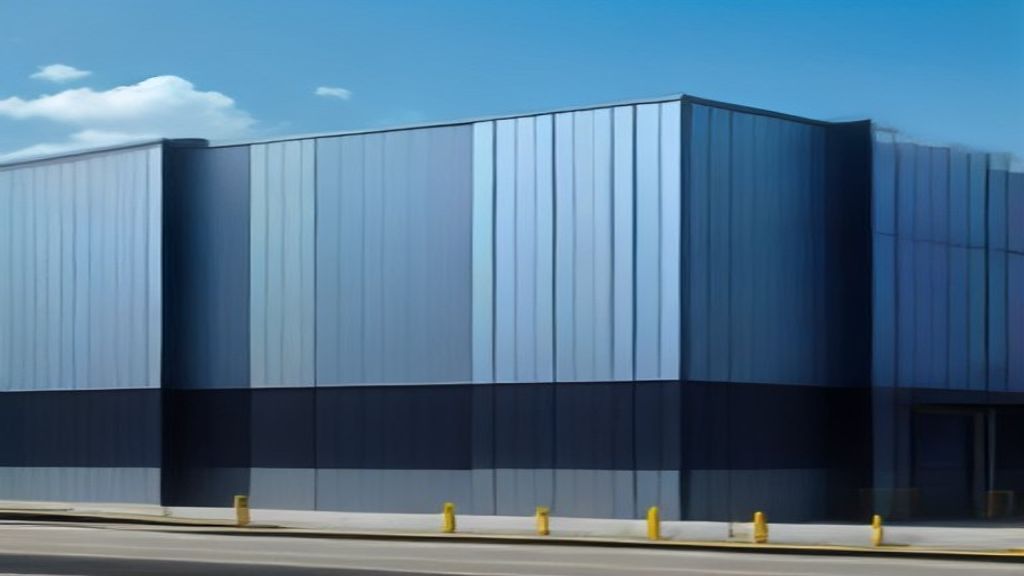
Direct answer
Application guides organise metal wall coverings by where the panels go and what the building type demands. Exterior facades, interior liners, commercial elevations and residential cladding can share a metal and still need different specifications.
Key takeaways
- Exposure and occupancy change the spec more than a favourite coil.
- Interior metal is not a small exterior wall.
- Commercial work adds joints, listings and access equipment.
- Residential work often fails at mixed-material junctions and renovation weight.
The same metal panel behaves very differently on a weather-exposed facade than on a lobby feature wall. This cluster groups guidance by where the panels go and what the project type demands. It is part of the metal wall coverings map and points back to materials and systems once the context is named.
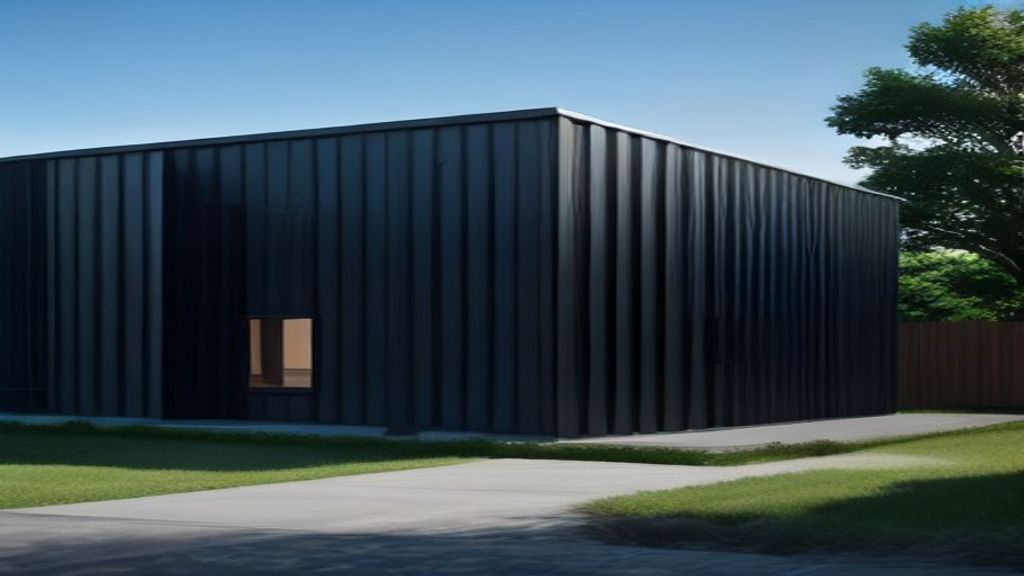
This site does not publish city landing pages. Coastal air, freeze-thaw and renovation weight are treated as conditions, not as “metal cladding in {city}.”
Exterior versus interior
Exterior metal wall panels take rain, wind, UV and thermal movement. Joints have to drain. The wall usually needs a listed assembly for fire and wind at the actual height. A drained or ventilated strategy is the durable default for architectural metal. The Whole Building Design Guide metal panel wall systems page is written for this weather job.
Interior metal wall panels take cleaning, impact, grazing light and the quality of the visible joint. They do not need a rainscreen cavity unless the room is wet. They do need a finish that can be maintained and an attachment that stays flat. Decorative interior metal is still a specification, not a furniture purchase.
Copying a PVDF facade system into a lobby, or an uncoated interior liner onto a coastal cassette, is how the wrong page gets into the bid set.
Commercial versus residential
Commercial metal facades add area, height, public impact and paperwork. Movement joints appear. Shop drawings multiply. Access equipment becomes part of cost. Rainscreens, cassettes and Metal Composite Material panels are common on offices and civic work. Insulated metal panels appear when the enclosure itself is the product.
Residential metal cladding can be a full wall or an accent. Renovation weight, window junctions and a smaller detailing budget usually decide more than the coil. A civic cassette package dropped onto a house without changing modules and flashings is a common failure.
Screens and mixed walls
Parking structures, equipment yards and some podiums want openness rather than a sealed skin. That is perforated metal or expanded mesh in front of a weather plane, not a substitute for one.
Mixed-material elevations need a couple and a joint plan. Metal above stone, wood or glass is a corrosion and runoff problem when the metal is corten or copper. Read those material pages before the rendering is locked.
Fire and occupancy
Occupancy and height change which listings matter. A house accent wall and a tall commercial envelope are not the same fire conversation. This hub will not say that metal panels are fireproof. Write the assembly on metal wall panel fire performance.
How to use this hub
- Open exterior or interior.
- Open commercial or residential if scale and documentation are the remaining argument.
- Choose a system on the systems hub and a metal on the materials hub.
- If the other finish family is still in play, use the comparisons hub.
- Write installation and listings on the design and specification hub.
| Application | What dominates | Usual mistake |
|---|---|---|
| Exterior | Weather, movement, listings | Copying an interior finish spec |
| Interior | Joints, light, cleaning | Specifying a drained facade coating |
| Commercial | Scale, documents, access | Enlarging a house cladding note |
| Residential | Weight, junctions, budget | Using a civic cassette package as-is |
In this cluster
Guides
Applications
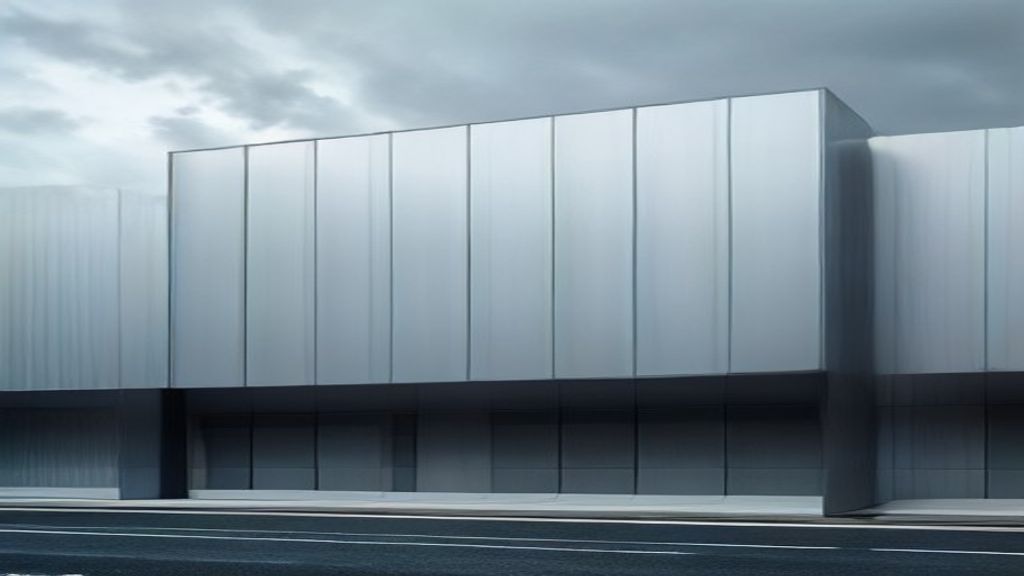
Commercial Metal Facades
How commercial metal facades differ from residential cladding in scale, movement joints, documentation and the systems that usually carry the wall.
Applications
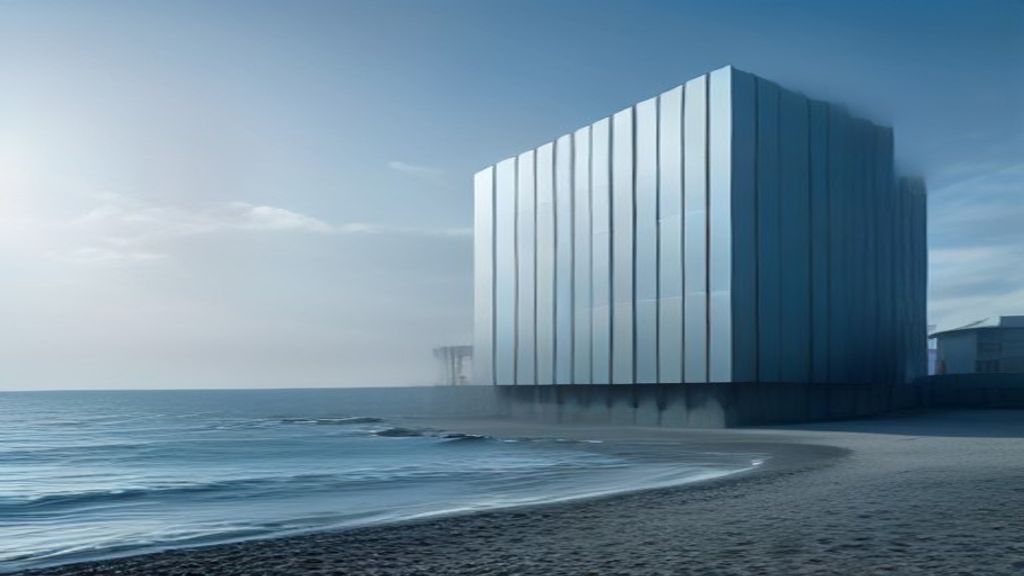
Exterior Metal Wall Panels for Facades
How exterior metal wall panels handle weather, movement, and drainage, and which systems belong on a facade rather than an interior wall.
Applications
Interior Metal Wall Panels and Accent Walls
How interior metal wall panels work as accent walls and durable liners, and how they differ from exterior cladding specifications.
Applications
Residential Metal Cladding
Where metal cladding belongs on houses and small residential buildings, and how renovation weight, detailing budget and mixed materials change the spec.
Frequently asked questions
Can one specification cover the interior and exterior of the same project?
Rarely. Weather, listings and cleaning are different jobs. Write two packages even when the metal family is the same.
Do you publish city landing pages?
No. Climate and building type are organised here as conditions, not as metal-cladding-plus-city pages.
Is residential metal only an accent material?
No. Houses and small residential buildings can take full metal walls. The limits are usually weight, detailing budget and how the metal meets wood, masonry or windows.
Sources
- Metal Panel Wall Systems — Whole Building Design Guide Accessed August 20, 2026.