Systems
Metal Wall Panel Systems
How metal cladding systems differ: single-skin, composite (MCM), insulated (IMP), rainscreen, perforated, corrugated and cassette panels explained.
Direct answer
A metal wall panel system is the combination of panel construction, attachment and joints that turns sheet metal into a working wall. Single-skin, composite, insulated, rainscreen, cassette, corrugated and open screens can share a metal and still fail each other’s performance tables.
Key takeaways
- Name the format before you copy numbers from another product family.
- Rainscreens drain; insulated sandwiches enclose; meshes screen.
- Metal Composite Material is written in full on this site except on the disambiguation page.
- Openness is not weatherproofing. Perforated and expanded metal need a second plane.
A panel system is the construction, attachment, and joint design that turn sheet metal into a wall. The same aluminum coil can become a flat cassette, a corrugated profile, a composite panel, or a perforated screen, with different performance, cost, and appearance. This hub is the format layer of the metal wall coverings guide.
The Whole Building Design Guide’s metal panel wall systems note is the right frame: the system includes openings, flashings and the backup, not only the visible sheet.
Three jobs systems actually do
Most arguments get clearer if you name the job first.
Drain. Metal rainscreen cladding puts an outer metal layer over a cavity that weeps and dries. Cassette panels and many Metal Composite Material panels are hung this way. Face-sealed metal on a large weather wall is the usual way this job is skipped.
Enclose. Insulated metal panels combine two metal faces and an insulating core. Thermal and fire numbers belong to that tested sandwich. Copying those numbers onto a single-skin rainscreen is a specification error.
Screen. Perforated metal panels and expanded metal mesh facades filter light, views and equipment. They are not a weather barrier by themselves.
The system families
Single-skin metal panels are one formed sheet, fastened exposed or concealed. They are the simplest and usually the most economical. Flatness, gauge and joint weather are the design load.
Metal Composite Material panels are two thin metal skins bonded to a core. The Metal Construction Association defines that family here: Metal Composite Material. Flatness is the reason they exist. Fire language follows the core and the listed assembly, not the aluminum face. This site writes the full term in titles and anchors. If a drawing only says MCM, open what MCM means in cladding.
Insulated metal panels are cladding and insulation in one shop-built module. They appear on logistics, education and some commercial backups. They are a poor default for a high-design cassette rainscreen unless the project actually wants that enclosure type.
Rainscreen cladding is the dominant modern facade approach for architectural metal. The cavity, not the paint, is what keeps the backup dry.
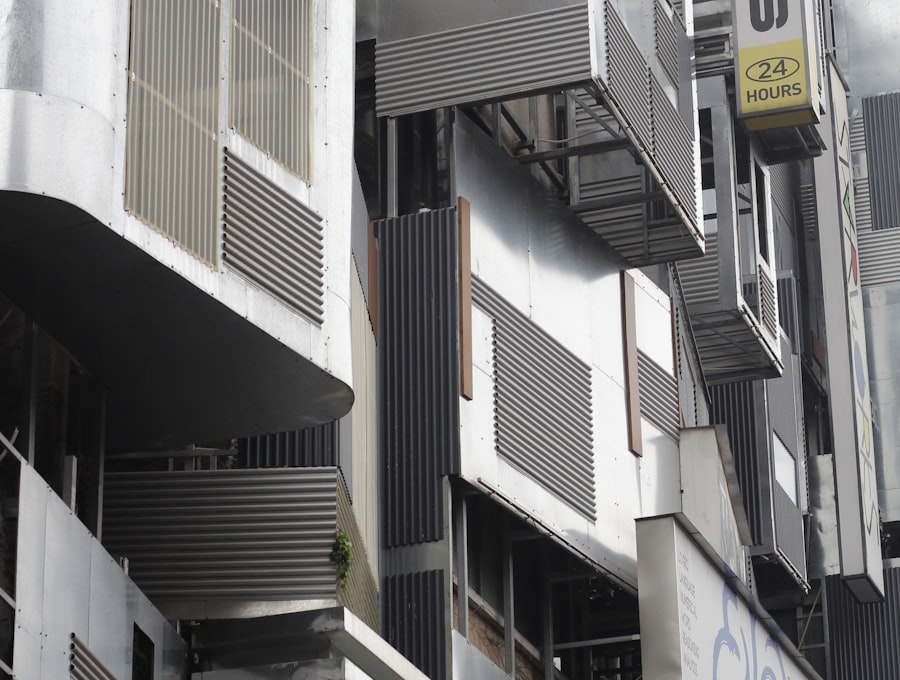
Corrugated and profiled panels add stiffness and hide oil canning at low cost. They are the wrong expectation if the rendering shows a perfectly flat dark cassette.
Cassette panels are folded trays with concealed fixings and shadow-line joints. Custom corners and mixed modules are where cost and tolerance problems appear.
Perforated and expanded metal are openness systems. Specify free area, attachment and the weather plane behind them.
Attachment is part of the system
Exposed fasteners are honest and economical on profiles. Concealed clips are the architectural default on cassettes and many composite trays. The fastener metal must be compatible with the face metal; that is a corrosion note, not a hardware afterthought. Installation sequencing decides whether the drawn joint is the built joint.
What not to copy between families
An insulated-panel span table does not apply to 3 mm aluminum plate. A composite fire listing does not apply to solid sheet, and the reverse is also false. A perforated screen does not keep out wind-driven rain the way a shiplap profile does. None of these systems make metal panels fireproof; see metal wall panel fire performance.
How to use this hub
- Name drain, enclose or screen.
- Open the one system guide that matches that job.
- Pick the metal on the materials hub.
- Place the wall on the applications hub.
- Write finish, movement and listings on the design and specification hub.
| System | Primary job | Usual risk if misused |
|---|---|---|
| Single-skin | One formed face | Oil canning and fastener weather |
| Metal Composite Material | Flat architectural skin | Core-driven fire listing |
| Insulated metal panels | Cladding plus insulation | Copied onto a rainscreen spec |
| Rainscreen | Drained outer layer | Treated as a sealed box |
| Cassette | Folded tray, concealed joints | Custom corners without a module |
| Corrugated | Stiff profile, coverage | Expected to look like a flat cassette |
| Perforated / expanded | Screen or liner | Used as the only weather plane |
In this cluster
Guides
Systems
Corrugated Metal Wall Panels
How corrugated and profiled metal wall panels add stiffness, hide oil canning, and where a flat cassette is the better architectural choice.
Systems
Expanded Metal Mesh Facades
How expanded metal facade and mesh cladding differ from perforated sheet, and why an open mesh is a screen rather than a weather wall.
Systems
Insulated Metal Panels (IMPs): How They Work
How insulated metal panels combine two metal skins and a foam core, and why thermal and fire numbers belong to the tested panel assembly.
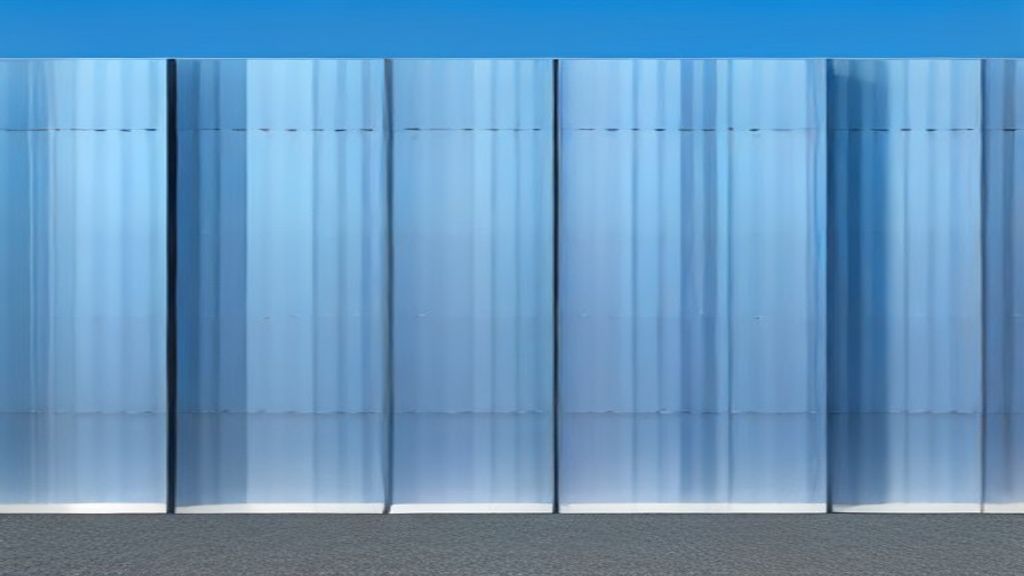
Systems
Metal Cassette Panels: Folded Tray Facades
How metal cassette panels form folded trays with concealed joints, and when a cassette rainscreen is a better choice than a flat composite sheet.
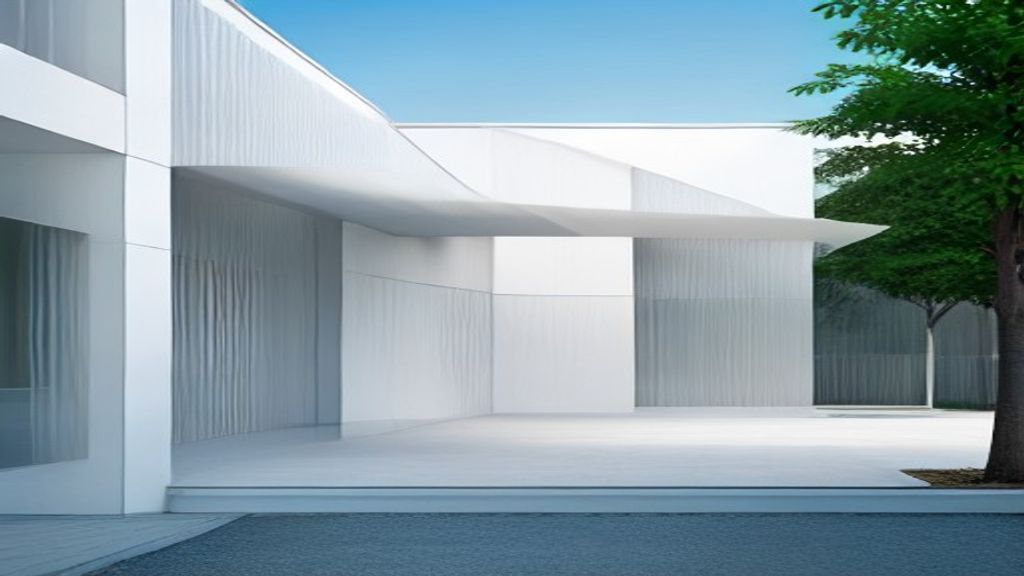
Systems
Metal Composite Material Panels: Cores and Uses
What Metal Composite Material (MCM) panels are: two metal skins bonded to a core, delivering flatness for facades — with core choice driving fire performance.
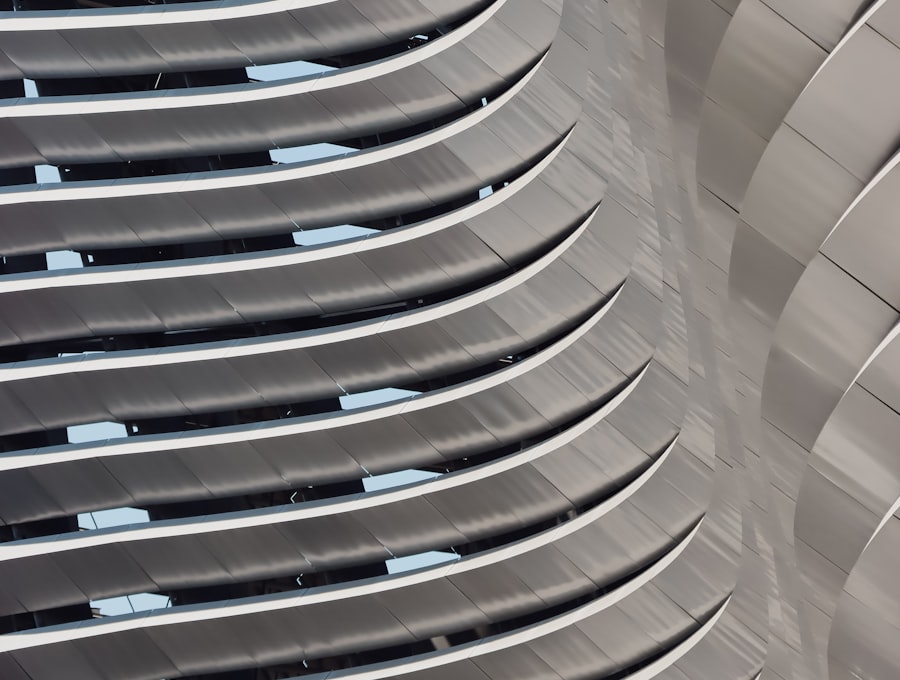
Systems
Metal Rainscreen Cladding: How the System Works
What metal rainscreen cladding is, how the cavity drains and dries, and which details separate a rainscreen from a sealed metal wall.
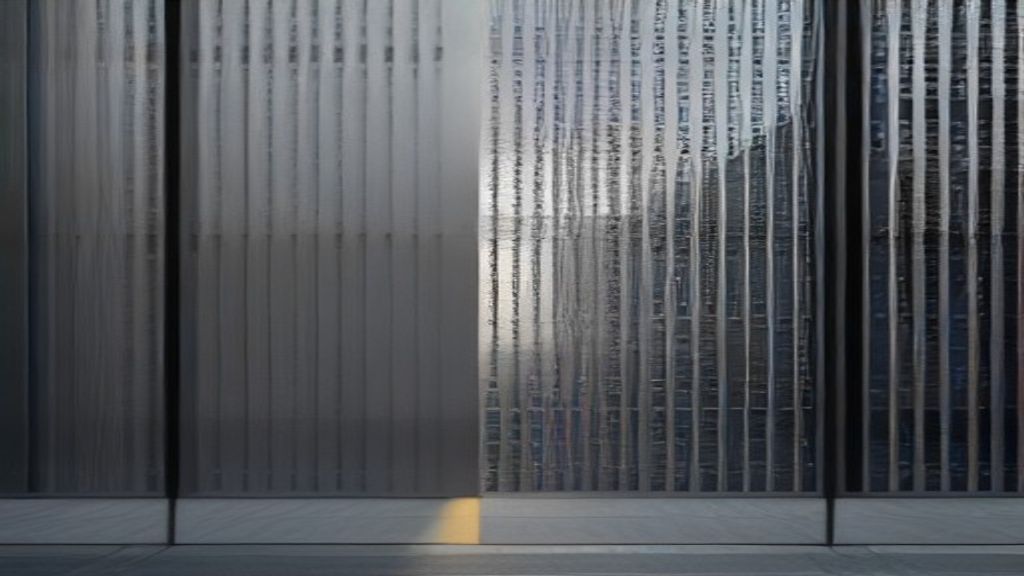
Systems
Perforated Metal Panels for Facades and Interiors
How perforated metal wall panels work as screens, liners, and layered facades, and why they are not a weather barrier by themselves.

Systems
Single-Skin Metal Panels: Where They Fit
What single-skin metal wall panels are, how they differ from composite and insulated products, and which joints and gauges keep them flat.
Frequently asked questions
Is a rainscreen a product I can order by name?
It is a drainage strategy. Many products can be hung as a rainscreen. The cavity, weeps, wraps and backup have to be drawn, not assumed from the panel brochure.
What does MCM mean on this site?
In architectural metal walls it means Metal Composite Material, two metal skins bonded to a core. Other industries use the same letters for different products. Use the disambiguation page if the abbreviation is the whole note.
Can I use perforated metal as the exterior wall?
Only as a screen. Wind-driven rain will pass the openings. A weather plane, and usually a drained cavity, must sit behind it.
Sources
- Metal Panel Wall Systems — Whole Building Design Guide Accessed August 20, 2026.
- Metal Composite Material — Metal Construction Association Accessed August 20, 2026.