Direct answer
Metal cladding cost is an installed-system number, not a panel price. The coil is one line in a stack: material, fabrication, system components such as subframe and clips, labour and access, then flashings, corners and window returns. Two decisions move the total most. The first is system format: profiled single-skin sits at the low end, cassettes and composites climb, and custom plate work tops the range. The second is site geometry, because scaffold, phasing and complicated edges routinely outweigh the difference between two similar metals. Coated steel sets the low reference, aluminum sits above it, zinc and stainless above that, copper highest. Lifecycle framing changes the ranking again, because a metal that never needs repainting can beat a cheaper skin that accumulates recoat cycles. This page publishes no dollar figures; it gives the relative framework and shows how to get bids you can compare.
Key takeaways
- Compare installed assemblies, not coil prices.
- System format moves the installed number more than metal choice. Access and edge conditions move it more than panel price.
- Access, corners and openings often exceed the field panels.
- Factory systems can look expensive and still win as enclosure plus finish.
- A small custom field can cost more per square metre than a large simple wall.
- Lifecycle framing reverses some rankings, because long-life bare metals avoid the recoat cycles cheaper coated skins accumulate.
- Hold system, gauge, finish class, flashings and access constant across bids, or the numbers are not comparable.
| Criterion | Typical range | Note |
|---|---|---|
| Metal | Coated steel usually lowest | Aluminum, zinc and copper step up. |
| Format | Profiled single-skin lowest | Cassettes and custom composites rise fast. |
| Finish | Standard PVDF mid-range | Mica, anodize and pre-patina add cost. |
| Access | Often the sleeper line | Scaffold and phasing dwarf coil deltas. |
| Openings | Per-opening cost | Windows multiply flashings. |
| Labour | System-skill dependent | Zinc and composite folding need specialists. |
| Risk | Rework and oil canning | Cheap flats on a glossy elevation are expensive later. |
| Lifecycle | Recoat cycles versus metal life | Bare long-life metals amortize differently. |
| Bids | Comparable only when scope matches | Hold system, finish class and access constant. |
Metal cladding cost is a specification topic, not a shopping list. It belongs with the other design and specification guides on the metal wall coverings map. Metal Coverings will not add a quote form or a wholesale list, and it will not publish dollar figures that would be stale before the next bid cycle. What it can do is show you the structure of the number, because the structure is stable even when the prices are not.
What are you actually buying?
The purchase is a visible skin, joints, flashings, attachment and usually a cavity or a factory sandwich. The Whole Building Design Guide metal panel wall systems framing is the right cost unit. A quote that only carries the panels has simply moved the rest of the wall into someone else’s number, and that someone is usually you at change-order time.
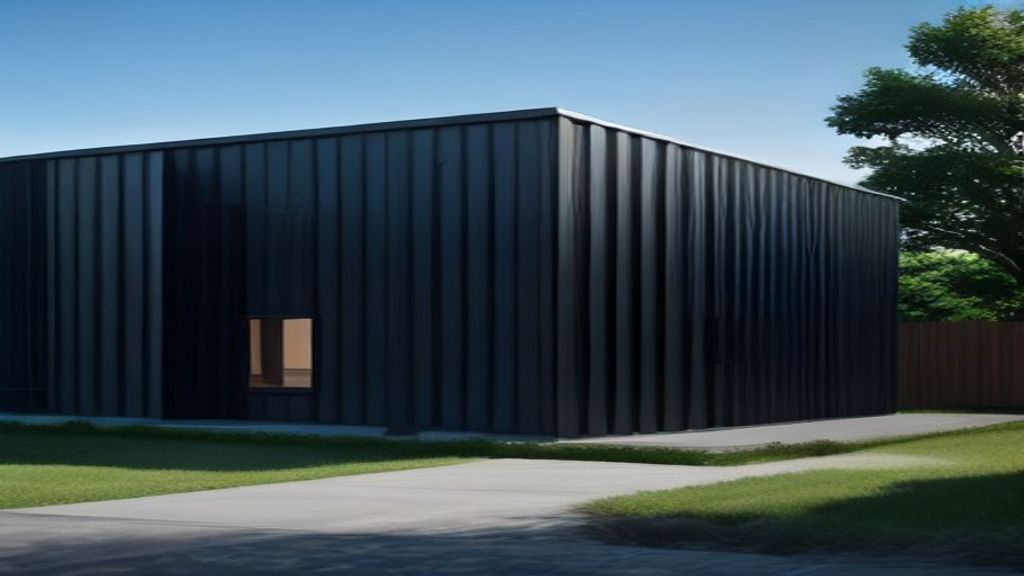
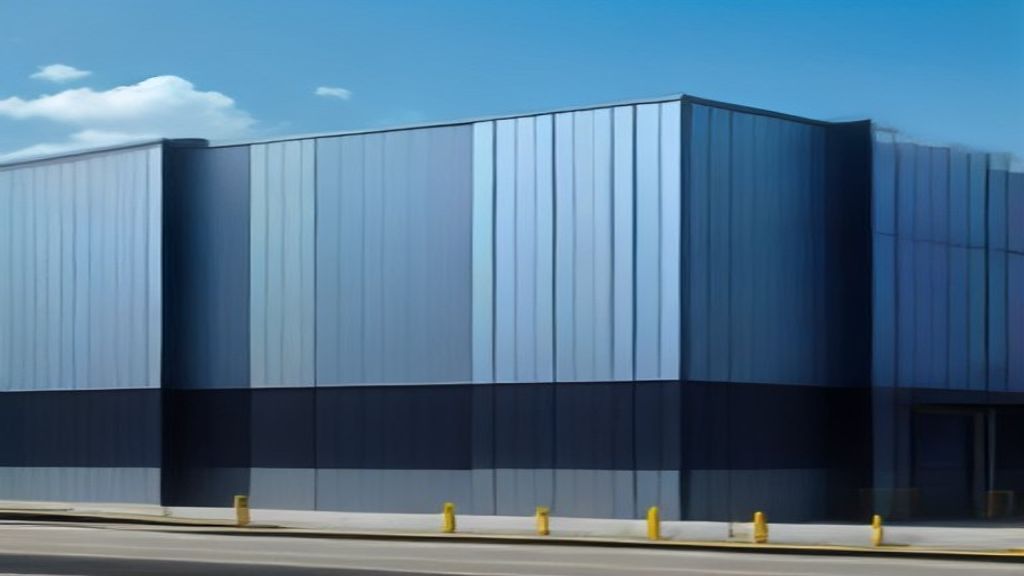
Corrugated metal wall panels and other single-skin metal panels are the usual low field cost. Metal cassette panels and Metal Composite Material panels spend more in the shop. Insulated metal panels can look expensive per panel and still be rational if they replace several trades. A ventilated metal rainscreen adds a subframe layer that never appears in a coil quote but always appears in the installed number.
What is the cost stack from coil to finished wall?
Every installed metal wall is the same five layers of money, in roughly ascending order of how often they get underestimated.
Material. Coil or sheet, priced by weight and area. Gauge, alloy and finish class are set here; a premium finish such as mica, anodize or pre-weathering is a material-line decision, not a site one.
Fabrication. Continuous roll-forming is cheap per metre, which is why profiled sheet anchors the low end. Press-brake folding is priced per piece. Cassettes with returns, stiffeners and secret fixings are shop hours; composite routing-and-return work is shop hours plus tooling. Perforation, tapering and one-off panel widths all live in this layer.
System components. Brackets, rails, thermal isolators, clips, gaskets and closure profiles. Largely invisible in a panel-only quote, entirely visible on the invoice.
Labour and access. Crew skill is system-specific: soldered zinc detailing and folded composite corners need specialists, and specialist crews book out. Scaffold versus mast climbers versus reach equipment, hoisting, and phasing around other trades often move more money than the metal itself.
Flashings and returns. Copings, sills, jambs, heads and corners are priced per length, not per area. A wall’s perimeter conditions can quietly out-cost its field.
Which decisions move the installed number most?
Two rules cover most surprises.
Format beats metal. Switching a profiled steel wall to profiled aluminum is a modest step. Switching that same wall from profiled sheet to cassettes multiplies fabrication, changes the subframe, raises the labour skill requirement and complicates every opening at once. When a bid doubles, look at the format and the details before blaming the metal.
Access and edges beat panel price. The ratio of perimeter to area decides how much of the job is flashings. Atypical trays, window returns and mixed-material junctions dominate commercial metal facades and even small residential metal cladding projects. A small, complicated feature wall can cost more per square metre than a large simple elevation of the same product. Metal wall panel installation quality is a cost control, not a luxury, and rework from oil canning is the classic hidden line: cheap flat panels on a glossy, raking-light elevation are the most expensive panels you can buy.
How do metal and system combine?
Steel wall cladding is typically the cheapest metal. Aluminum wall panels cost more per kilogram but save structure and handling. Zinc wall cladding and copper wall cladding are specialist metals, with stainless steel wall panels between them. Switching metals without changing format rarely explains a doubled bid. The index below expresses that as relative installed cost for a straightforward elevation with identical access — read it as ranking, not pricing.
| System format | Coated steel | Aluminum | Zinc | Stainless | Copper |
|---|---|---|---|---|---|
| Corrugated / profiled single-skin | Low | Low–Medium | Medium | Medium–High | High |
| Flat-lock, standing seam and interlocking trays | Low–Medium | Medium | Medium–High | High | High–Very high |
| Insulated metal panels | Medium | Medium–High | — | — | — |
| MCM composite rainscreen | — | Medium–High | High | High–Very high | Very high |
| Cassette / folded plate rainscreen | Medium–High | High | High | Very high | Very high |
Read down a column to see the format effect; read across a row to see the metal effect. The format effect is the bigger jump. Combinations marked “—” exist but are rare enough that pricing them is a bespoke exercise. Weathering steel behaves like the upper end of the steel column: the coil is inexpensive, but it is normally used as plate or cassette work, which puts the installed number in cassette territory.
What does lifecycle framing change?
The relative index above is a day-one number. Over a service life it bends.
Coated skins carry a finish horizon: when the coating warranty era ends, the owner faces recoating — which never restores factory film quality — or replacement. Bare and living metals such as zinc, copper, stainless and weathering steel have no repaint cycle at all; their long-term costs are inspection, cleaning and managing runoff, which is a different and usually smaller stream. Metal cladding corrosion behavior, not fashion, should decide whether that longevity claim holds in your exposure.
Two more lifecycle lines get missed. Fasteners, gaskets and sealant-dependent joints are service items even when the metal is not. And maintenance access has to be priced somewhere: a wall that will need cleaning or panel exchange either includes access provisions now or rents them repeatedly later.
How do you get bids you can actually compare?
A bid spread usually measures scope divergence, not market appetite. Hold these constant across every bidder:
- The system, by name and build-up: format, gauge, module width, subframe type.
- The finish class and warranty term, since finish tiers move the coil line.
- Flashings, measured and itemized per length, never buried in a lump sum.
- The access method each bid assumes, stated in writing.
- Stock versus custom, with custom widths and special pieces listed separately.
- The mockup, so acceptance criteria for flatness and color are priced in, not fought over later.
Then take alternates as priced deltas from that baseline — a metal swap, a format downgrade on secondary elevations — instead of re-bidding the whole wall. Deltas are honest; fresh lump sums are not comparable.
Where to spend and where to save
Spend where money buys risk down: corner and return design time, installer selection, the mockup, and flashing metal that matches the field panels in thickness and finish. These lines are small against the wall and enormous against the cost of doing them twice.
Save by simplifying, not by thinning: fewer formats per building, stock module widths, openings aligned to the panel grid, and premium metal held to the elevations that are actually seen. Downgrading gauge or finish class across the board saves little and shows forever.
Write the system and the access first, then pick the metal on the materials hub. If two metals still look close, use the aluminum versus steel comparison rather than guessing from coil quotes. If the bid is weighing metal against a non-metal board, metal cladding versus fiber cement covers that decision.
Specification checklist
- Price the system, flashings, openings and access as one package.
- Separate decorative interiors from exterior enclosure in the estimate.
- Identify custom versus stock modules before design freeze.
- Include maintenance access if the wall will need it.
- Fix gauge, finish class and warranty term before bids go out.
- State who measures and who prices flashings, corners and returns.
- Name the access method each bid must assume.
- Require custom pieces to be itemized separately from stock modules.
- Ask for lifecycle assumptions when comparing coated and bare metals.
- Do not use this site as a price list or bid form.
Frequently asked questions
Why will this site not publish metal panel prices?
Prices move with metal markets, labour and project geometry. A static number would be misleading. The useful work is knowing which decisions move money.
Is aluminum always more expensive than steel?
The metal usually is. Installed, a simple aluminum rainscreen can still beat a poorly planned custom steel cassette field.
What single decision moves metal cladding cost the most?
System format. Moving from profiled single-skin to cassettes or composites changes fabrication, subframe, labour skill and flashing complexity all at once. Switching metals inside the same format is a smaller step.
Why do bids for the same drawings vary so widely?
Usually scope, not greed. One bidder measured flashings and one carried a lump sum. One assumed mast climbers and one assumed full scaffold. One priced stock module widths and one priced the drawn custom widths. Align those assumptions and the spread collapses.
Is an expensive metal ever the cheaper choice?
Over the service life, yes. Zinc, stainless and copper carry no repaint cycle, so a coated skin that needs future recoating or replacement can cost more across decades than a bare metal that only needs inspection and cleaning. The comparison depends on how long the owner holds the building.
How should we budget before a system is chosen?
Carry the format decision as the range driver. Price two or three realistic system scenarios rather than a single blended number, and keep access and flashing allowances visible as separate lines so they are not silently absorbed.
Sources
- Metal Panel Wall Systems — Whole Building Design Guide Accessed August 25, 2026.
- Metal Construction Association — Metal Construction Association Accessed August 27, 2026.