Direct answer
Metal cladding and fiber cement compete mostly on houses and light-commercial walls, and they are different trades as much as different materials. Metal is a light, coil- or tray-based skin that sheds water, moves with temperature, shows oil canning, dents under impact and carries a factory finish warranty. Fiber cement is a heavier cementitious board that absorbs some moisture, moves with humidity, relies on a paint film that must be renewed on a cycle, and forgives casual impact better. Both are non-combustible in their common forms, but fire performance still belongs to the tested wall assembly, not the product name. Choose metal when the design reads as metal, spans are long, or a drained rainscreen or insulated-panel enclosure is the system. Choose fiber cement when a painted board or panel language is the design and the local siding trade is set up for it.
Key takeaways
- They are different trades and different joint logics; do not let one crew improvise the other family.
- Metal is light to handle; fiber cement is heavy board work with silica dust control and different cutting rules.
- Metal sheds water but dents and shows oil canning; fiber cement absorbs some moisture and lives on its paint and caulk cycle.
- Both are non-combustible in common forms; ratings still belong to the tested assembly, and foam-cored or composite metal systems change the question.
- Metal joints are precise open reveals or interlocks; fiber-cement joints are caulked, flashed or trim-covered. Decide which language the elevation wants.
- Lifecycle money differs; metal runs on a factory finish warranty, fiber cement on repaint cycles. Price the owner's horizon, not bid day.
- Mixed elevations using both can work, but only with a designed junction, flashing and movement break.
Metal versus fiber cement is a residential and light-commercial fork. It belongs with the other comparisons on the metal wall coverings map. Metal Coverings does not specify fiber-cement products. It only marks when metal is the wrong family.
Different objects, different crews
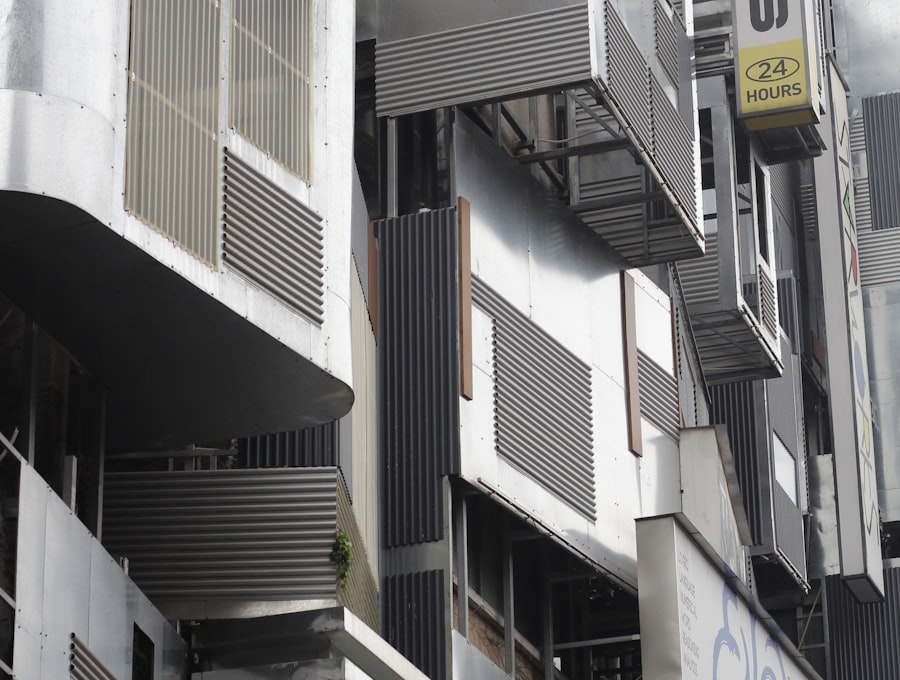
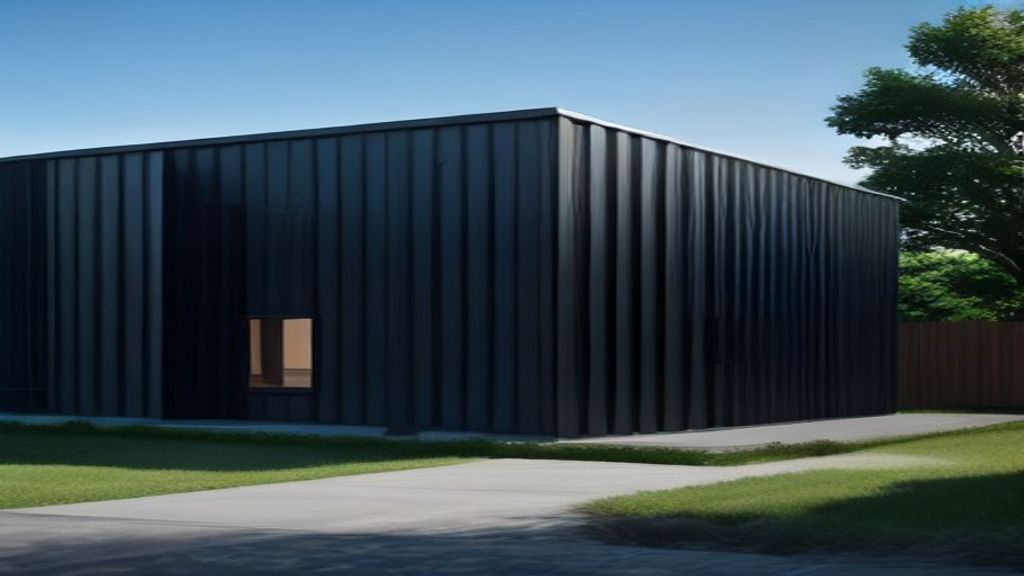
Metal walls follow the systems hub and the Whole Building Design Guide metal panel wall systems model: a light coil- or tray-based skin, metal joints, and usually a drained cavity or factory insulation behind the face. Fiber cement is a cementitious board and fastener system finished with paint. Residential metal cladding is where the two most often compete for the same elevation.
The trade split matters as much as the material split. Metal panels are light — one or two installers handle long trays — but the work lives on tolerances, flashings and sequence. Fiber-cement boards are heavy for their size, cut with dust-controlled saws under silica rules, and installed by siding or carpentry crews with nailing schedules and clearance requirements. A siding crew improvising a metal rainscreen, or a metal crew improvising board siding, is the most reliable way to get the worst of both families. Specify the family the local market can actually build.
How does each handle water?
Metal does not absorb water; it sheds it. The design problem is where the water goes next: joints, laps, end dams and the cavity manage it, and the water-resistive barrier behind the skin does the actual waterproofing. Metal’s moisture failures are detailing failures — a missing end dam, a reversed lap, a blocked cavity — plus corrosion at edges and dissimilar-metal contacts, covered under metal cladding corrosion.
Fiber cement absorbs some moisture and releases it. That is survivable by design, but it makes the paint film, sealed or primed edges, and the manufacturer’s ground and roof clearances load-bearing parts of the system. Boards that sit wet — low clearances, splash zones, failed paint at cut ends — swell, delaminate coatings and telegraph fasteners. Neither family’s skin is the waterproof layer; both stand or fall on the barrier and flashings behind them.
What can each side claim about fire?
Less than the marketing implies, and roughly the same thing. Sheet metal and fiber-cement board are both non-combustible in their common forms. Neither fact makes a wall “fireproof,” and neither transfers to the wall as built: hourly ratings and exterior-spread performance belong to the tested assembly — studs, sheathing, insulation, barrier, cavity and cladding together. The metal-side complication is cores and composites: foam-cored insulated metal panels and polymer-cored composite panels bring combustible material into the assembly, which is exactly what tests such as NFPA 285 exist to interrogate. Ask for the listing that matches the drawn assembly, on either side of this comparison. The metal half of that conversation is expanded at fire performance.
How do the joints and trims read?
This is the aesthetic fork that renderings hide. Metal’s joint language is the joint itself: open reveals at consistent width, interlocks, standing seams — precision lines that are the architecture. The cost of that language is tolerance: reveals broadcast every substructure error, and wide flat metal shows oil canning where boards would show nothing.
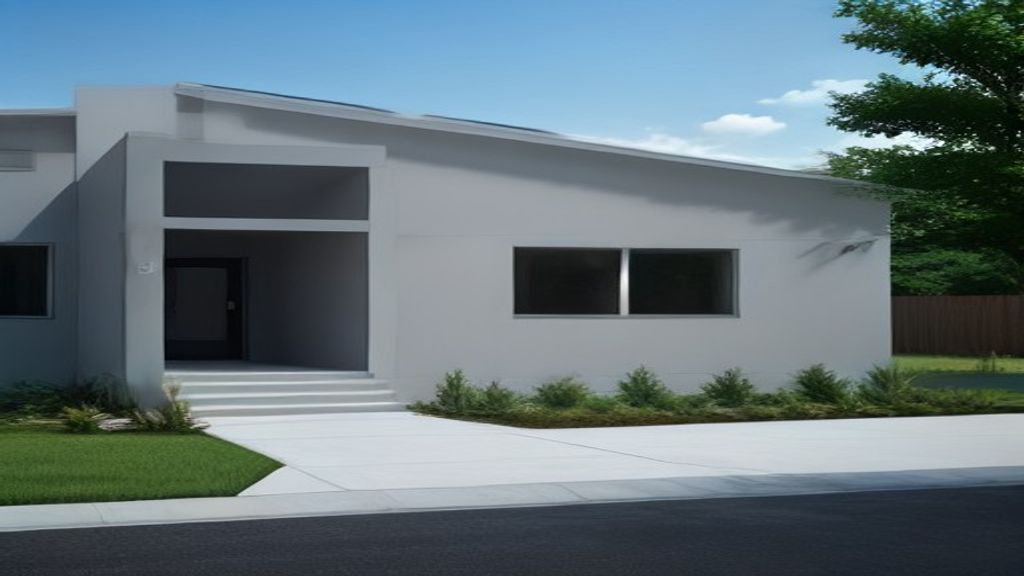
Fiber cement’s joint language is concealment: lapped planks, caulked butt joints, battens and trim boards at corners and openings. It forgives substrate error but commits the owner to the caulk as a maintained component and the trim as part of the composition. The skill dependence runs opposite ways too: metal punishes a sloppy substructure survey before the first panel hangs, while fiber cement punishes bad field habits board by board — unsealed cut ends, overdriven nails, joints landed off-stud. If the elevation drawing shows crisp shadow-line reveals, fiber cement will disappoint; if it shows painted planks with cased corners, metal is fighting its own nature. Read metal panel finishes for what the metal surface itself can and cannot look like.
What does each cost over thirty years?
Metal cladding cost is an installed-system number, and the same discipline applies here. At bid day, house-scale fiber cement is often the cheaper package where a siding market is strong. The divergence is afterward. Coil-coated metal typically carries a factory finish warranty and a maintenance regime of washing, inspection and joint checks; its big costs are event-driven — dent repairs by panel swap, corrosion repairs where detailing failed. Fiber cement carries a repaint cycle and recaulking as scheduled costs for the life of the wall, plus spot board replacement. Neither number is knowable from a brochure: price the owner’s actual horizon, and ask each manufacturer for the finish warranty terms and the recommended maintenance schedule in writing. A wall the owner will hold for thirty years and a wall built to sell in five are different comparisons, and honest lifecycle math sometimes flips the bid-day winner.
Which climates push the choice?
Coastal air punishes both, differently: salt attacks metal edges, fasteners and the wrong alloy choices, while wind-driven rain and humidity stress fiber cement’s paint and clearances. Metal remains common on coasts — the material pages cover which metals — but the finish system and edge details must be documented, not assumed. Freeze-thaw climates are harder on an absorbent board than on a skin that sheds: boards that go into winter saturated do the most damage to themselves, so paint maintenance discipline is part of the fiber-cement decision. Hail country reverses the bias: cosmetic denting on thin, glossy, flat metal reads immediately, while boards absorb more casual punishment. If the region delivers all three, the answer is usually gauge, profile and detailing quality rather than family loyalty.
Choosing metal, fiber cement, both or neither
Choose metal when the design is metal: corrugated, zinc, aluminum rainscreens or IMP enclosures, and the long-span or drained-cavity systems shown at exterior metal wall panels. Choose fiber cement when the design is painted boards or panels and the installer is a siding trade; that how-to sits outside this publication.
Choose neither when the elevation is stone, brick or a lightweight stone-look finish — see metal versus stone veneer or metal versus flexible stone.
Mixed facades that use both are legitimate and common: metal on the volumes that read as metal, board on the domestic-scaled portions, each in its own specification section with its own trade. The one non-negotiable is the junction. Where the two skins meet, someone must draw the flashing, the movement break, the cavity continuity and which trade owns the line — before tender. Also choose neither if both claddings meet without that designed flashing; installation cannot invent it later, and the junction improvised on site is where mixed elevations leak.
| Criterion | Metal cladding | Fiber-cement cladding |
|---|---|---|
| Visual family | Metal planes and profiles | Painted boards and panels |
| Typical trade | Metal wall installer | Siding or carpentry trade |
| Color | Coil, anodize or patina | Field or factory paint |
| Weight | Low to moderate | Moderate |
| Handling | Light sheets and trays | Heavy boards, dust-controlled cutting |
| Moisture | Sheds; joints manage water | Absorbs some; paint and clearances protect |
| Impact | Dents; panel swap to repair | More forgiving; hard hits crack boards |
| Movement | Thermal in metal | Moisture and thermal in boards |
| Maintenance | Wash | Repaint cycle, recaulk joints |
| Repair | Panel or tray swap | Board and paint repair |
| Scenario | Better fit |
|---|---|
| The rendering is clearly metal | Metal cladding |
| Long metal rainscreen or IMP enclosure | Metal cladding |
| Coastal exposure with a documented metal finish system | Metal cladding |
| Owner will not fund repaint cycles | Metal cladding |
| Painted plank or panel residential language | Fiber-cement cladding |
| The local trade is siding | Fiber-cement cladding |
| Hail country where cosmetic dents will read | Fiber-cement cladding |
| The elevation mixes both without a junction design | Neither |
| The team wants stone | Neither |
Compare Metal cladding and Fiber-cement cladding. Neither option is a universal default.
Specification checklist
- Do not put both products in one specification section.
- Detail the junction if both appear on one elevation.
- Write finish and cleaning rules for each family.
- Keep fire listings with each assembly.
- Price metal's finish warranty against fiber cement's repaint and recaulk cycles over the owner's horizon.
- Ask for the tested wall assembly, not a board or panel fire class alone.
- Set reveal and flatness tolerances for metal; caulk, trim and clearance standards for fiber cement.
- State cutting and silica dust-control rules wherever fiber cement is on the job.
Frequently asked questions
Can fiber cement replace metal to save money?
Sometimes on a house-scale painted wall, where the board language fits the design and a siding trade is available. It will not replace a metal rainscreen or an insulated metal panel enclosure, which are different systems doing different jobs.
Which lasts longer?
Both last when detailed and maintained. Metal fails on corrosion, dents and joints; fiber cement fails on paint, moisture and fasteners. There is no single winner, only different maintenance contracts.
Is fiber cement more fire-resistant than metal cladding?
Not as a category. Both are non-combustible in their common forms, and any hourly rating belongs to the tested wall assembly, not the cladding product. Foam-cored metal panels and composite panels change the question, so ask for the assembly listing either way.
Which handles hail and impact better?
Fiber cement usually shrugs off hits that dent thin metal, though hard strikes can crack boards. On the metal side, heavier gauge and textured or striated profiles hide small dents. In serious hail country, gauge and profile choice matter more than the family label.
Do both need a drained cavity behind them?
Both families are commonly installed over a drainage gap on a water-resistive barrier, and the barrier does the waterproofing either way. Metal rainscreens make the cavity explicit and engineered; fiber cement is typically furred or gapped per its manufacturer. Neither skin should be treated as the waterproof layer.
Which is faster to install?
The crew decides, not the material. A metal crew hangs trays quickly and slows at flashings and tolerances; a siding crew runs boards quickly and slows at cutting and joint treatment. The wrong trade on either family is the slowest option on the menu.
Sources
- Metal Panel Wall Systems — Whole Building Design Guide Accessed August 25, 2026.
- Metal Construction Association — Metal Construction Association Accessed August 27, 2026.
- NFPA 285 Standard Development — National Fire Protection Association Accessed August 27, 2026.