Direct answer
A wrong cleaner can damage the finish. Confirm the finish in the documents for this wall, and leave the cleaner blank when those documents name none. Painted metal composite material, anodized metal composite material, and natural copper or zinc do not share one wash.
Key takeaways
- Confirm the finish in the project documents before you wash.
- Leave pressure, product name, and any small-area result empty when the documents do not state them.
- A mild-soap note for painted metal composite material is not a wash for anodized metal or for copper and zinc.
- Copy the record. Do not fill an empty cell from a different finish.
A wrong cleaner can damage the finish. Confirm the finish in the documents for this wall before you wash it, and leave the cleaner blank when those documents name none.
Painted metal composite material, anodized metal composite material, and a natural copper or zinc face do not share one wash. A note about one company’s steel siding does not set the rule for the others. This page is the record for that choice. It sits with the design specification guides, inside the metal wall coverings library. The inspection walk is a different task, on the metal wall panel maintenance checklist.
What to clean metal siding with is the wash the documents for that finish already name. The Metal Construction Association’s February 2024 bulletin, for painted metal composite material, describes a mild soap solution and a rinse, and semiannual power washing, and it states no pressure. For anodized metal composite material the same bulletin names no soap and says not to use solvents or abrasive chemicals. For natural copper or zinc it recommends semiannual cleaning and says the changing surface must not be damaged. It gives no way to restore that surface. Klauer’s steel-siding page, captured on 11 October 2026, describes mild detergent and water about once a year for that siding. Western States Metal Roofing’s January 2019 sheet, which says it is subject to change, describes plain water and a detergent example for its factory-painted panels. When the documents name none of these, the cleaner cell stays empty.
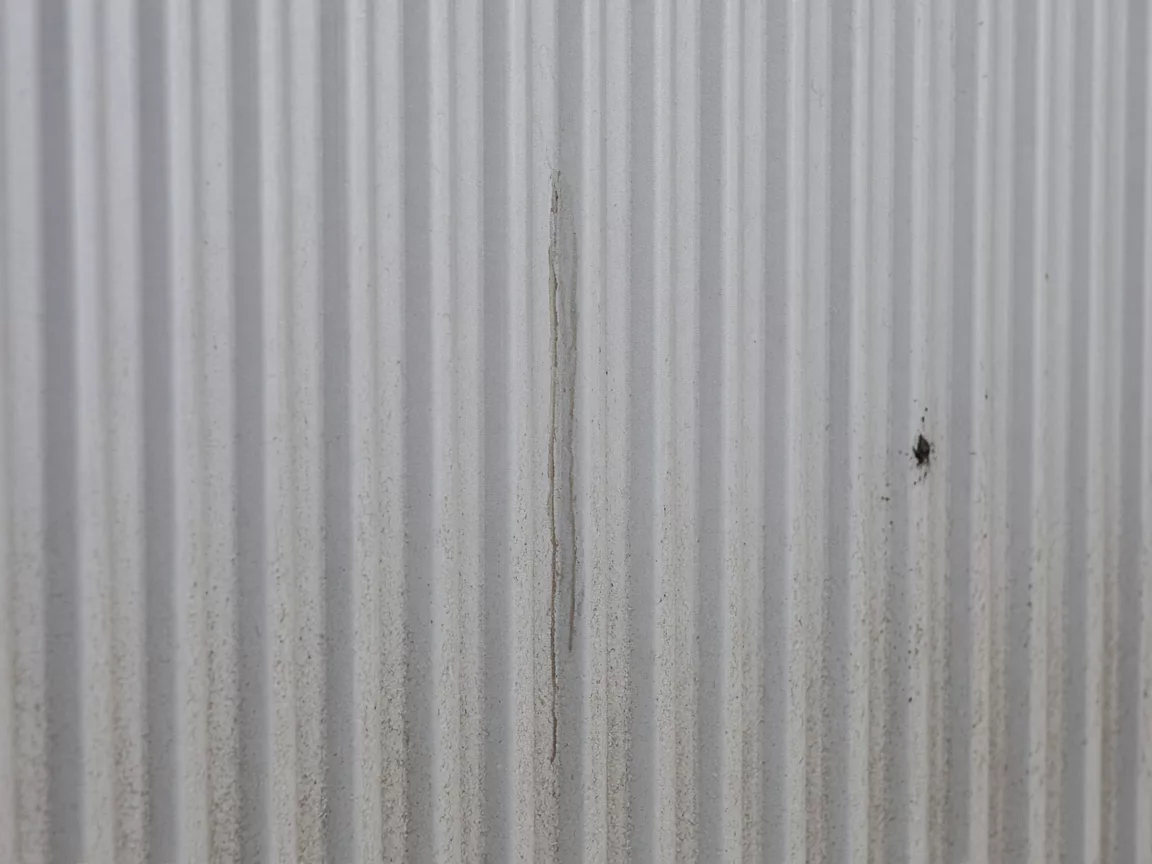
Name the finish from the documents
The February 2024 bulletin sorts metal composite material faces into painted, anodized, and natural. On painted faces it names spray-applied or coil-coated polyester, and Kynar-based coatings. An anodized face, in that bulletin, is aluminum. The process creates open cells in the surface, fills them with organic or inorganic dyes, and then seals them. Natural faces in that bulletin use copper and zinc as two examples of metal that changes over time.
Color is not the finish name. Read the finish from the project documents or from the panel manufacturer. The metal panel finishes page is where a specification names a finish class. It does not approve a cleaner. The metal composite material panels page is the system context for that bulletin. It is not a wash.
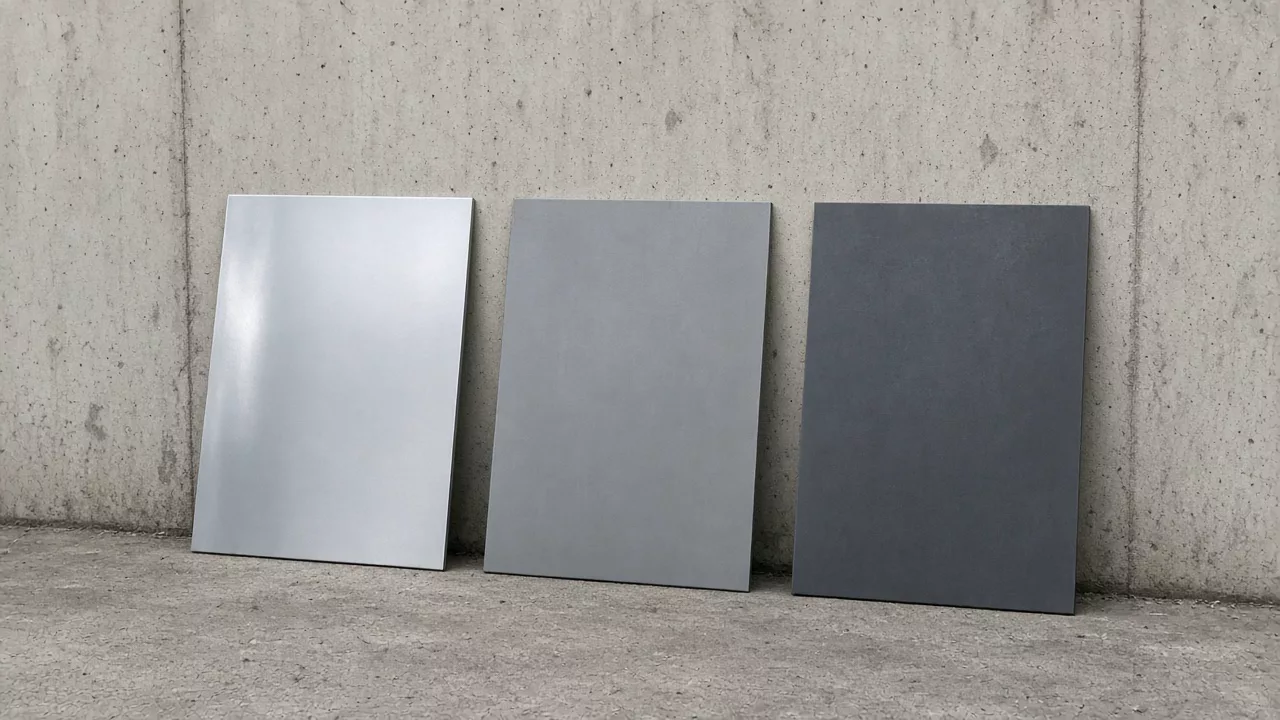
Takeaway: If the documents do not name the finish, leave the finish cell empty. Do not pick a wash from the color of the sheet.
Match the soil you can see
Soil is not one thing, and a mark on the face is not always soil.
The February 2024 bulletin talks about contaminants on metal composite material, and about a film left when wash water dries in hot weather. A cloudy or whitened anodized face, in that bulletin, means abrasion has damaged the seal and exposed the dye. That is damage. Record the location and stop. Do not scrub it.
Klauer’s steel-siding page talks about heavy grime, dry dirt, mulch, and plants rubbing that siding. It says dry surface dirt is not harmful to that siding if it is washed off when noticed. It also says to keep plants from rubbing the siding.
The Western States sheet, effective January 2019, talks about dirt that dulls factory paint in dirt-laden air, slight chalk in strong sunlight, and mildew that grows on dirt and spore deposits. It also names oil, grease, tar, wax, and caulk residue. The same sheet says metal shavings left on the surface will rust, and that this voids the warranty on the products that sheet covers. That warranty sentence is the sheet’s. This site states no warranty. Wiping chips off is not a wash for anodized metal or for copper or zinc.
Takeaway: Write the soil in words you can match to one of these documents. If you cannot match it, leave the soil cell empty.
Keep each method inside its document
No pressure number appears in any of the three documents. The pressure column is empty on every row. No brand is named as the cleaner to buy. The product column is empty on every row. None of the three documents states a small-area result, so that column is empty too.
On a phone, swipe the table horizontally to see the last column.
| Finish the documents name | What that source says to do | Pressure | Product name | Small-area result |
|---|---|---|---|---|
| Painted metal composite material. Metal Construction Association bulletin, February 2024. | Mild soap, then a rinse. The bulletin says buildings are typically cleaned semiannually with power washing, or more often in a difficult environment, panels and glass together. Clean at a moderate temperature. It says excessive pressure can degrade an applied finish, and it states no pressure. It says not to use strong solvents, aggressive cleaners, or abrasive rubbing. | |||
| Anodized metal composite material. Same bulletin. | Semiannual cleaning, or more often in a difficult environment. The bulletin names no soap for this finish. It says not to use solvents or abrasive chemicals, because abrasion can cloud the seal. | |||
| Natural copper or zinc on metal composite material. Same bulletin. | Semiannual cleaning. The bulletin says the changing surface must not be damaged. It does not describe a way to restore the original look. | |||
| Steel siding on the Klauer page captured 11 October 2026. | About once a year, in spring or summer. Mild detergent and water. A rag, or a nylon brush, which the page says will not scratch that siding. A garden hose for ordinary washing, at any water temperature. The page says a pressure washer is for heavy grime and states no pressure. Rinse until no soap spots remain. Keep plants and mulch off that siding. | |||
| Factory-painted panels on the Western States sheet, effective January 2019, subject to change. | Plain water from a hose or a pressure sprayer is often enough. For heavy dirt, a cloth or a soft bristle brush with detergent and water. The sheet’s example is one-third cup of laundry detergent per gallon of water, then an adequate rinse. It rules out wire brushes, abrasives, and tools that abrade the coating. |
The Western States sheet also names a mildew wash for its baked finish that includes a laundry detergent, trisodium phosphate, and a 5 percent sodium hypochlorite solution. It names mineral spirits for caulk, oil, grease, tar, and wax, used on a dampened cloth and only on the contaminated area, then detergent and a rinse. It says most organic solvents are flammable and toxic. This page does not reprint those mixes. They stay on that sheet, which says it can change without notice. They are not a wash for anodized metal or for copper or zinc.
Klauer’s page says a deep scratch on that steel siding can rust, and that large scratches are a paint task. This page does not name a primer or a paint. For major damage, including bare steel, the page says to call a siding professional, and that replacement of the affected panels is the likely advice when bare steel is exposed. The steel wall cladding page is material context for steel. It is not a wash, and it does not extend the Klauer note to other metals.
The aluminum wall panels page is not an approval to wash every aluminum face with the anodized rule. The zinc wall cladding and copper wall cladding pages are not a way to restore a patina.
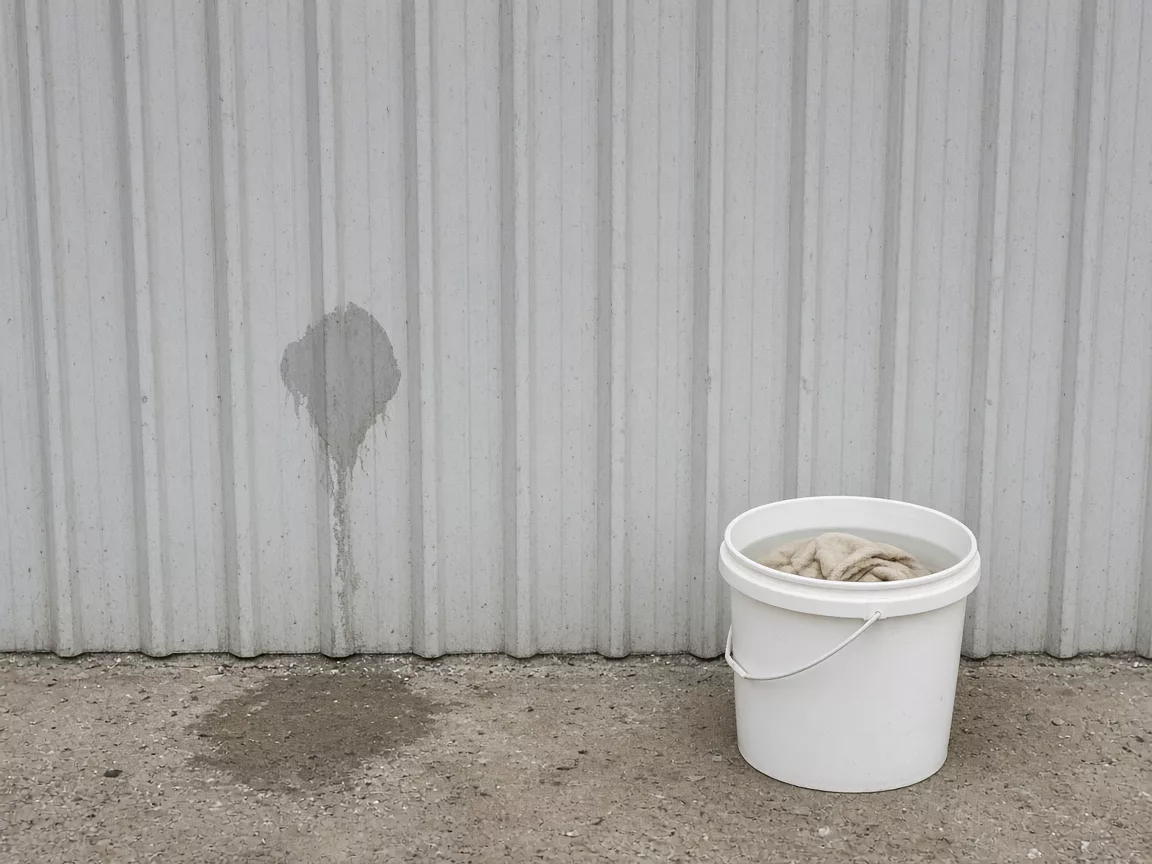
Takeaway: A method stays in the row whose document wrote it. An empty cell is not a prompt to improvise.
Copy this cleaning record
The block below is the record. Select it and copy it. Add a row when the wall has more than one finish. Leave a cell empty when the document in your hand does not fill it. Do not copy a mild-soap line onto an anodized face, or a detergent example onto copper or zinc.
METAL WALL CLEANING RECORD

Building:
Elevation or area:
Date:
Documents used (title and date):
Finish named in those documents:

Finish | Soil seen | Method quoted from those documents | Pressure | Product name | Small-area result | Rinse note
1 | | | | | | |
2 | | | | | | |
Takeaway: Copy the record with the empty cells still empty.
When this page does not apply
Follow the current instructions for your own system when they disagree with this page. The February 2024 bulletin says it is general information, not a warranty, and that each metal composite material manufacturer publishes further recommendations. It also says the reader has to check that information with local building and fire officials. The Western States sheet says it is subject to change without notice. The Klauer page applies specifically to that company’s steel siding products.
This page does not set an inspection interval. Use the metal wall panel maintenance checklist for the walk and the handover. It does not rank cleaners. It does not tell you how to bring a copper or zinc surface back to an earlier look. It does not state a pressure.
Takeaway: When your documents are silent, the cell stays empty. Do not borrow the next row.
Source documentation
This guide synthesizes three published industry maintenance references: the Metal Construction Association’s technical bulletin Cleaning Metal Composite Material Panels — Not a One-Time Effort (February 2024), Klauer Manufacturing’s Maintenance Tips for Steel Siding, and Western States Metal Roofing’s General Information, Field Cutting and Care and Maintenance (effective January 2019). Always verify cleaning agents, dilution ratios, and rinse requirements against the current finish warranty for the installed panel system.
Frequently asked questions
What should you not clean aluminum with?
The February 2024 bulletin covers anodized aluminum on metal composite material, not every aluminum panel. It says not to use solvents or abrasive chemicals on that anodized face. On a painted metal composite material face, the same bulletin says not to use strong solvents or aggressive cleaners. Vinegar is not mentioned. For any other aluminum finish, leave the product cell empty and follow the instructions for that product.
What removes grime from metal?
No single product is named for every metal in these documents. Painted metal composite material is tied to a mild soap and a rinse. The Klauer page ties grime on its steel siding to a mild detergent and water. The January 2019 Western States sheet ties heavy dirt on its factory paint to a detergent solution, with an example of one-third cup of laundry detergent per gallon of water. Anodized and natural faces have no grime product in the bulletin.
Sources
- Cleaning metal composite material panels, not a one-time effort (technical bulletin, February 2024) — Metal Construction Association Accessed October 14, 2026.
- Maintenance Tips for Steel Siding — Klauer Manufacturing Accessed October 14, 2026.
- General information, field cutting and care and maintenance (effective January 2019) — Western States Metal Roofing Accessed October 14, 2026.